
Perfect guide to your wedding table plan
A well-thought-out wedding table plan does far more than tell guests where to sit — it sets the tone for your reception, helps the day run smoothly, and can even become a beautiful focal point of your décor. While there are traditional rules and etiquette to consider, the most important thing to remember is that it’s your wedding, and your table plan should reflect your priorities, relationships, and style as a couple.
Below is a practical guide to creating a wedding table plan that balances tradition, clarity, and personality.
Start With the Basics: Names
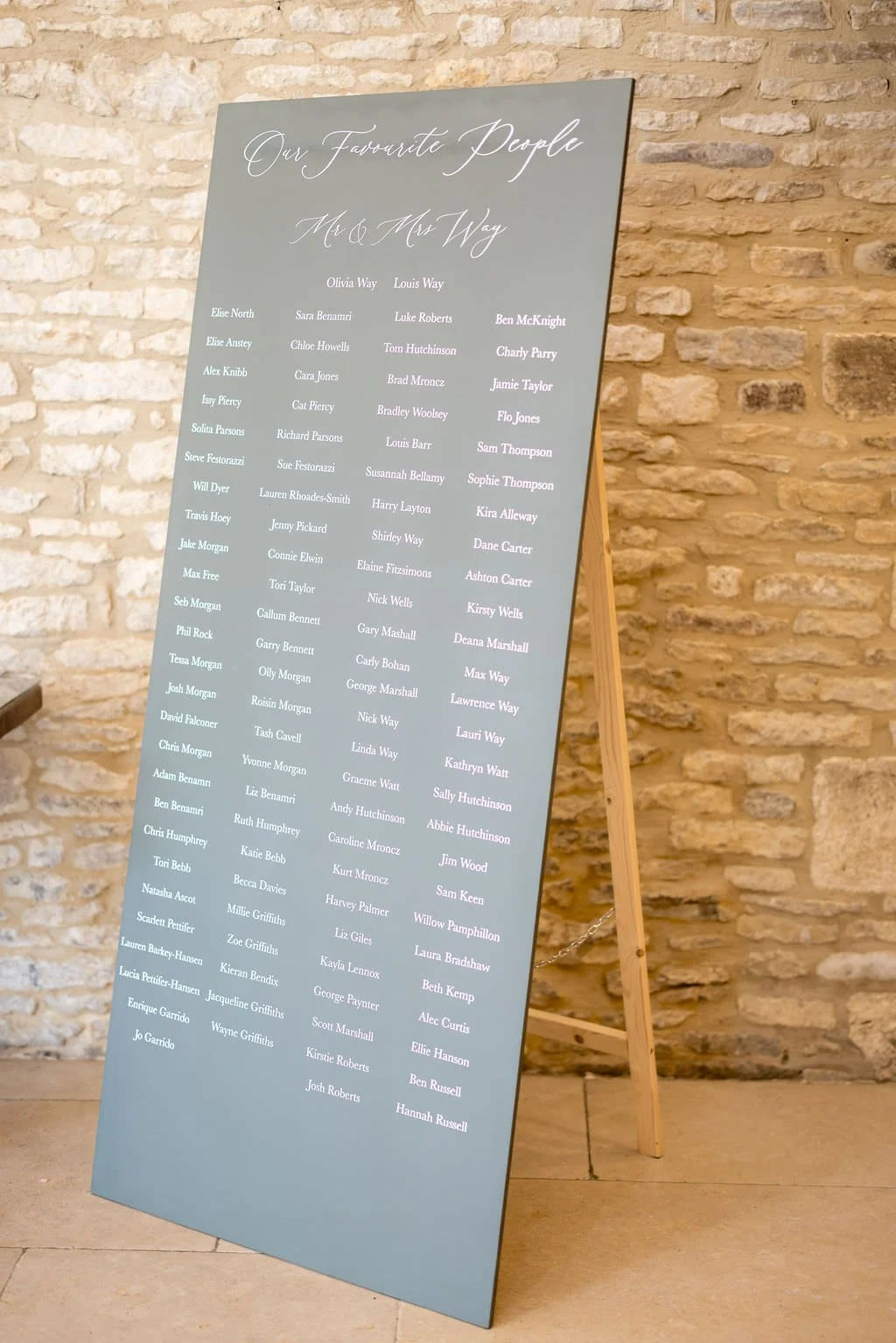
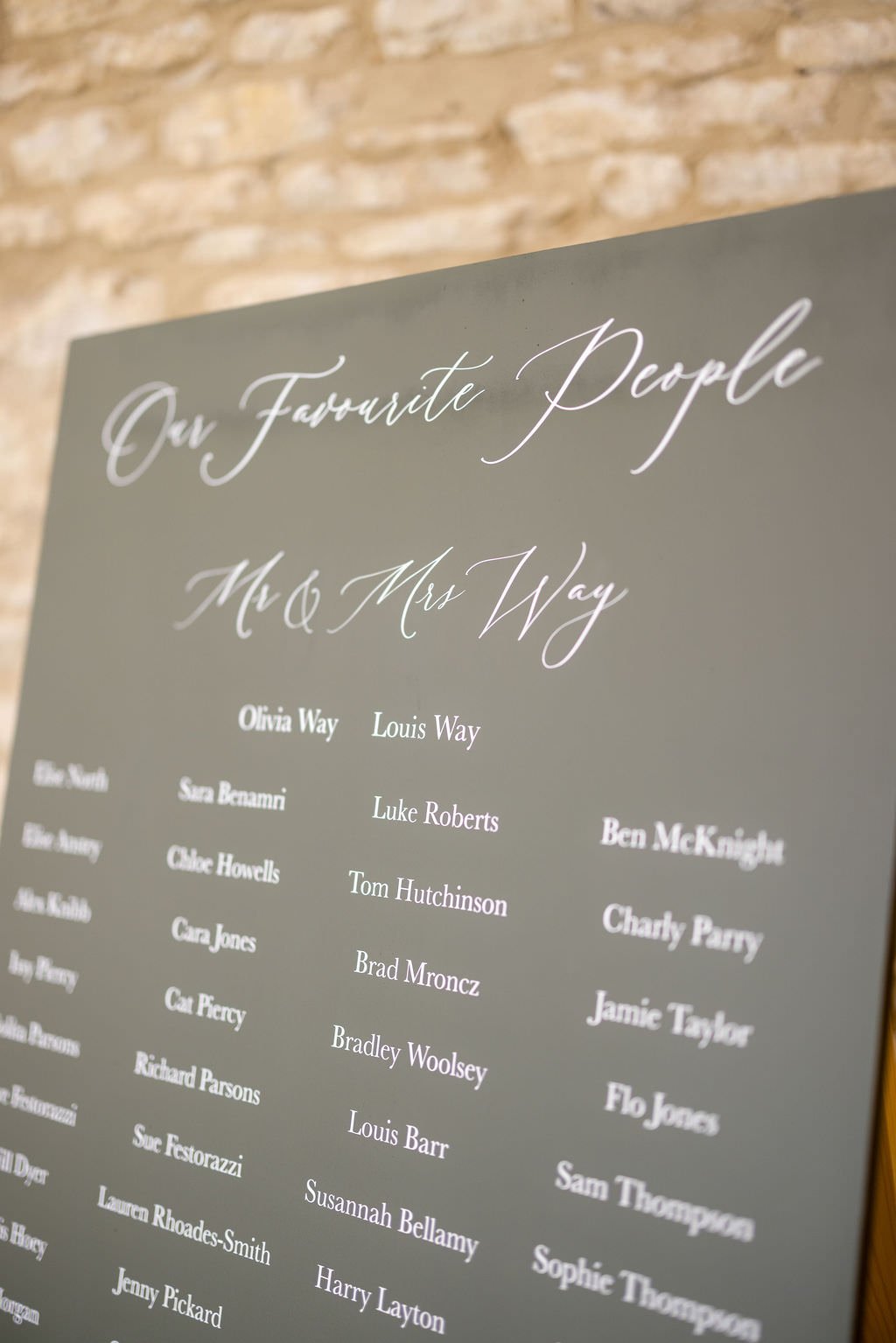
One of the most common mistakes couples make when creating their wedding table plan is listing themselves under their maiden name. By the time your wedding breakfast arrives, your table plan should reflect how you wish to be presented as a married couple. If you are choosing to take a shared surname, ensure your names are displayed consistently throughout your wedding stationery, signage, and table plan.
For example, if Sarah Jones is becoming Sarah Smith after marrying James Smith, your top table and seating plan should ideally read Mr & Mrs Smith or James & Sarah Smith, rather than using Sarah's maiden name. This creates a polished and cohesive look across your wedding day and avoids any confusion for guests.
Of course, every couple is different. Some couples choose to keep their own surnames, double-barrel their names, or adopt a completely different naming arrangement. The important thing is that the names displayed reflect your chosen married identity rather than automatically defaulting to the bride's maiden name.
It's equally important to check the spelling and formatting of all guest names. A wedding table plan is often one of the first things guests see when entering the reception, so accuracy and attention to detail make a wonderful first impression. Before sending your design to print, carefully review your final RSVP list and double-check every name, as last-minute changes can affect both table layouts and seating arrangements.
Traditional Top Table Etiquette (and Modern Alternatives)
Traditionally, the top table follows a structured format: the couple in the centre, flanked by the best man, chief bridesmaid (maid of honour), and immediate family members such as parents. The classic arrangement is designed to reflect family hierarchy and honour key roles.
However, modern weddings are far more flexible. Many couples now choose alternative layouts, including:
Sweetheart table: just the couple seated alone
Two-person table: a more intimate, private space for the couple
Blended top tables: mixing close friends and family in a less formal arrangement
A sweetheart table in particular has become very popular because it gives couples a moment to themselves during the reception — something that can be rare on a busy wedding day.
The key takeaway is simple: tradition is optional. Your seating should support your experience, not restrict it.
Distributing Personality: “Big Characters” and Table Energy
A strong table plan considers personality dynamics as much as relationships. One of the most useful principles is to avoid clustering all your “big characters” at one table.
By big characters, we mean guests who are particularly lively, expressive, or central to social dynamics — the people who naturally lead conversations or bring high energy. Spreading them across different tables helps:
Prevent one table from dominating the room
Encourage conversation across groups
Balance quieter guests so they feel included
Think of each table as needing a “social anchor” rather than a concentration of attention-grabbing personalities.
Round Tables: The Importance of Sightlines
Round tables are popular because they encourage conversation, but seating still needs thought. A helpful rule is to ensure guests are positioned so they can comfortably see the couple — or at least have a clear view of key moments like speeches.
Where possible, seat guests so they are not consistently facing away from the top table or focal point. This small detail makes a big difference in how included guests feel throughout the meal.
Seating Divorced or Separated Families
Seating divorced or separated family members can be one of the most sensitive parts of planning. The goal is to reduce potential discomfort while still maintaining balance and fairness.
Some practical approaches include:
Seating them at separate tables, with trusted companions at each
Avoiding direct line-of-sight confrontation at the top table
Using distance and table placement strategically rather than forcing interaction
Consulting both sides where appropriate (or a close family member who understands dynamics)
There is no single “correct” solution here — the best arrangement is the one that reduces tension while keeping everyone comfortable.
Make It a Focal Point (and Make It Legible)
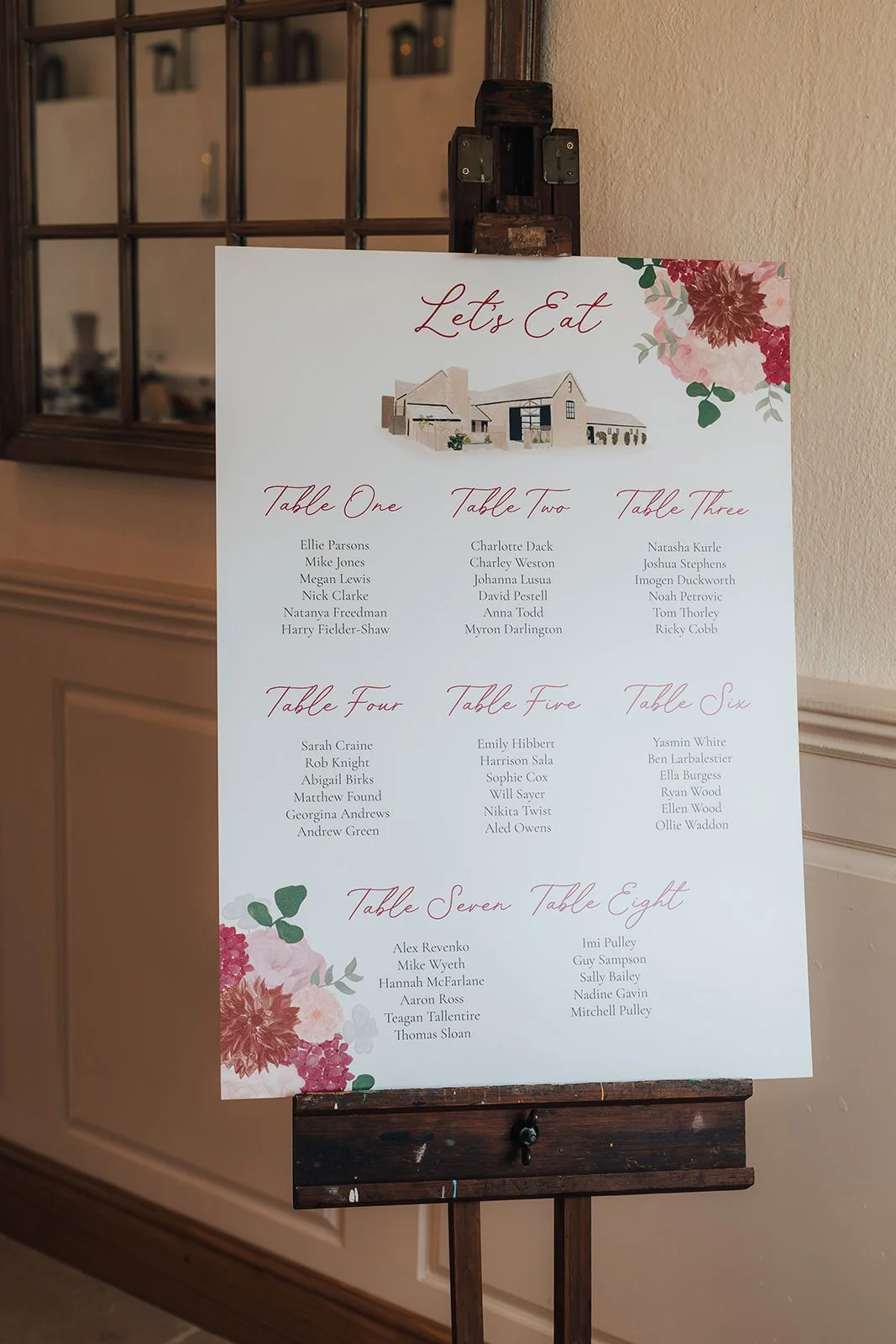
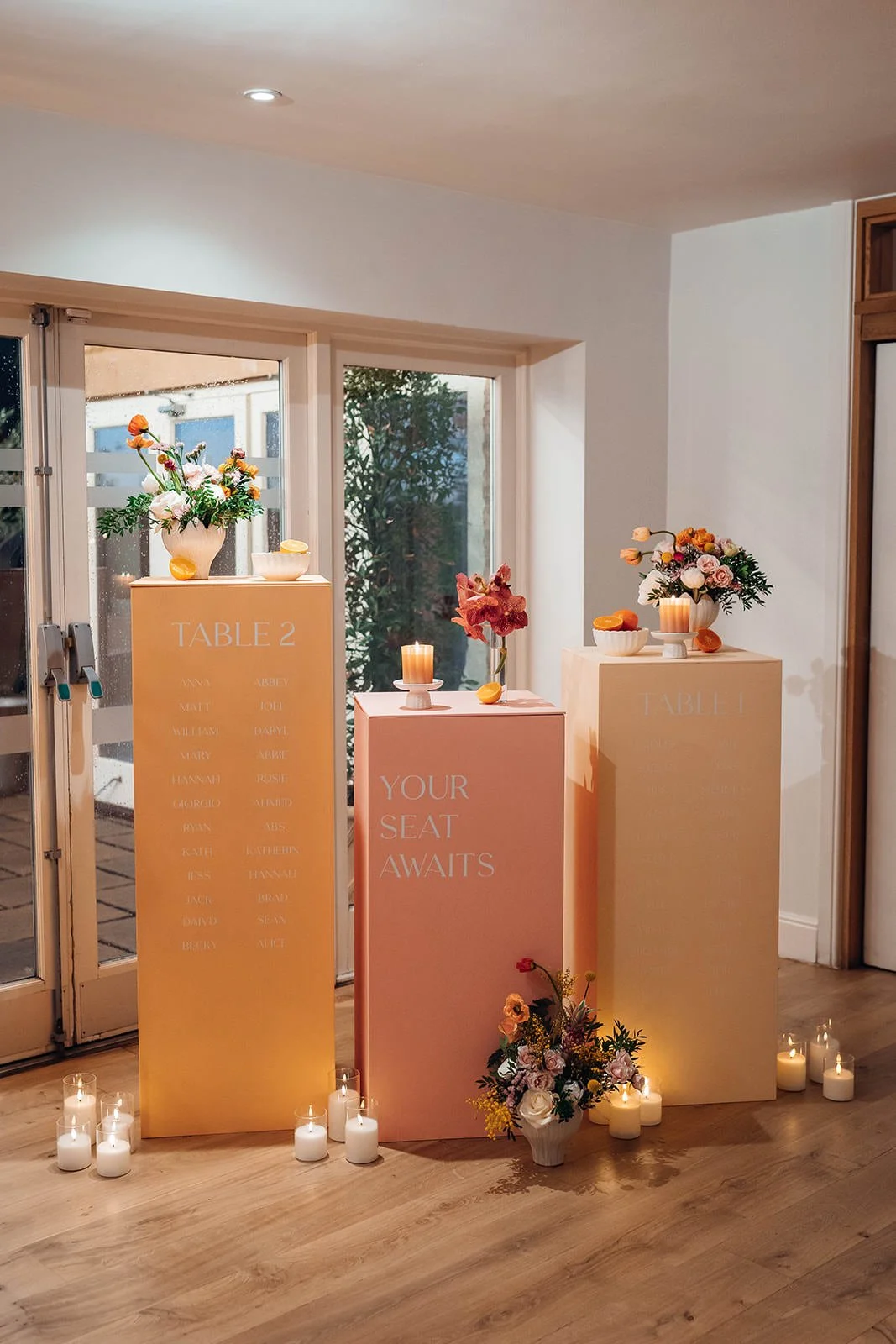
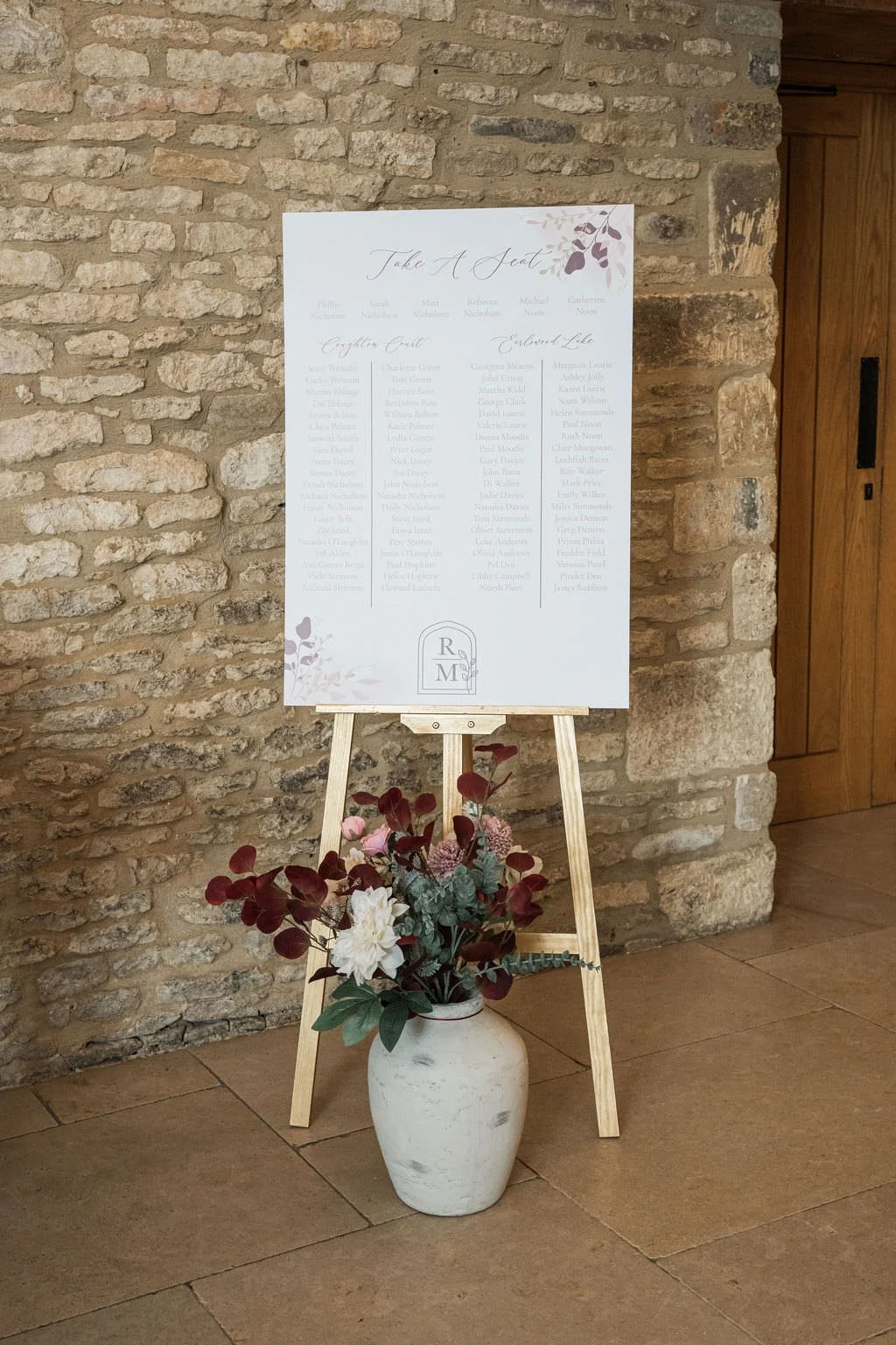
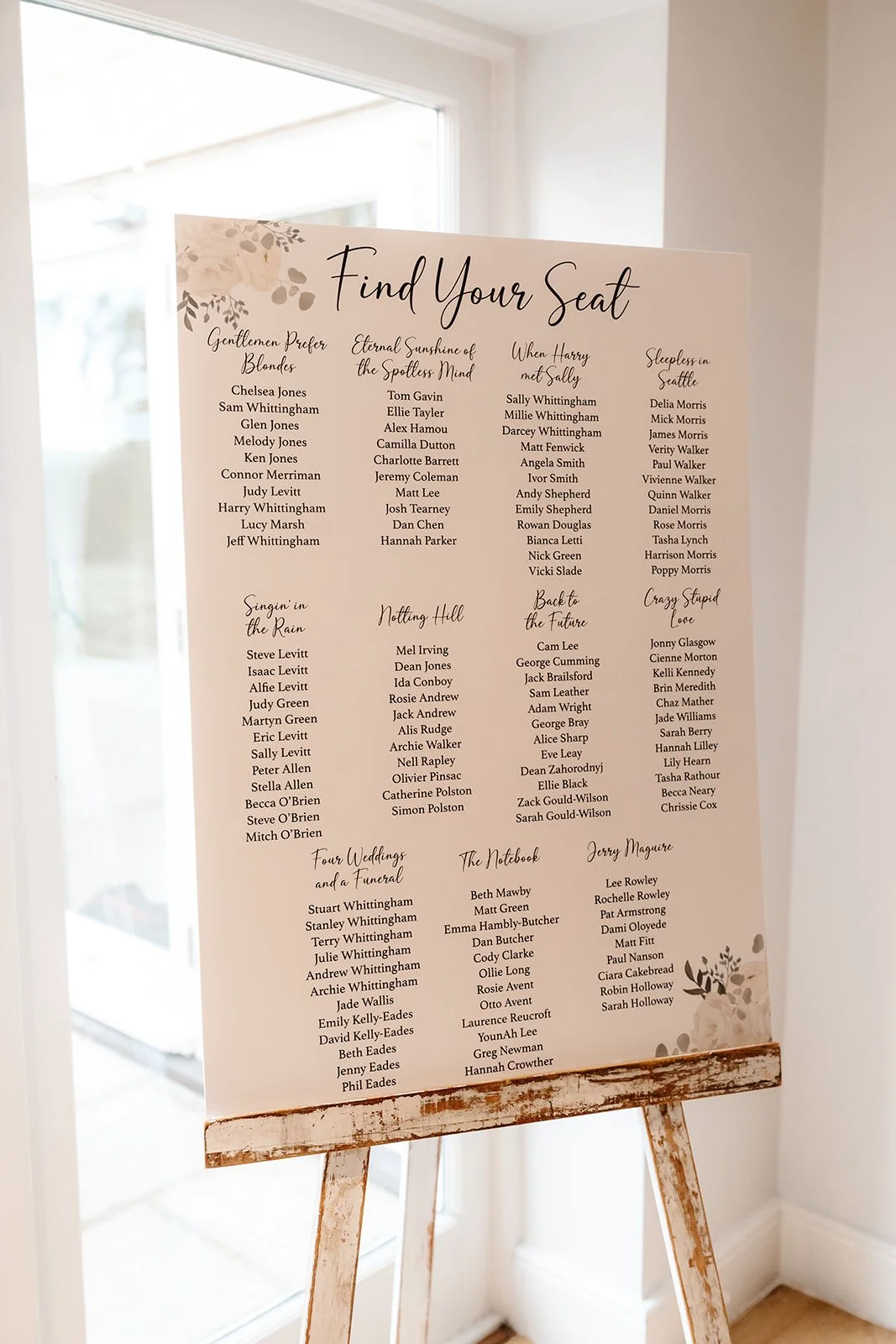
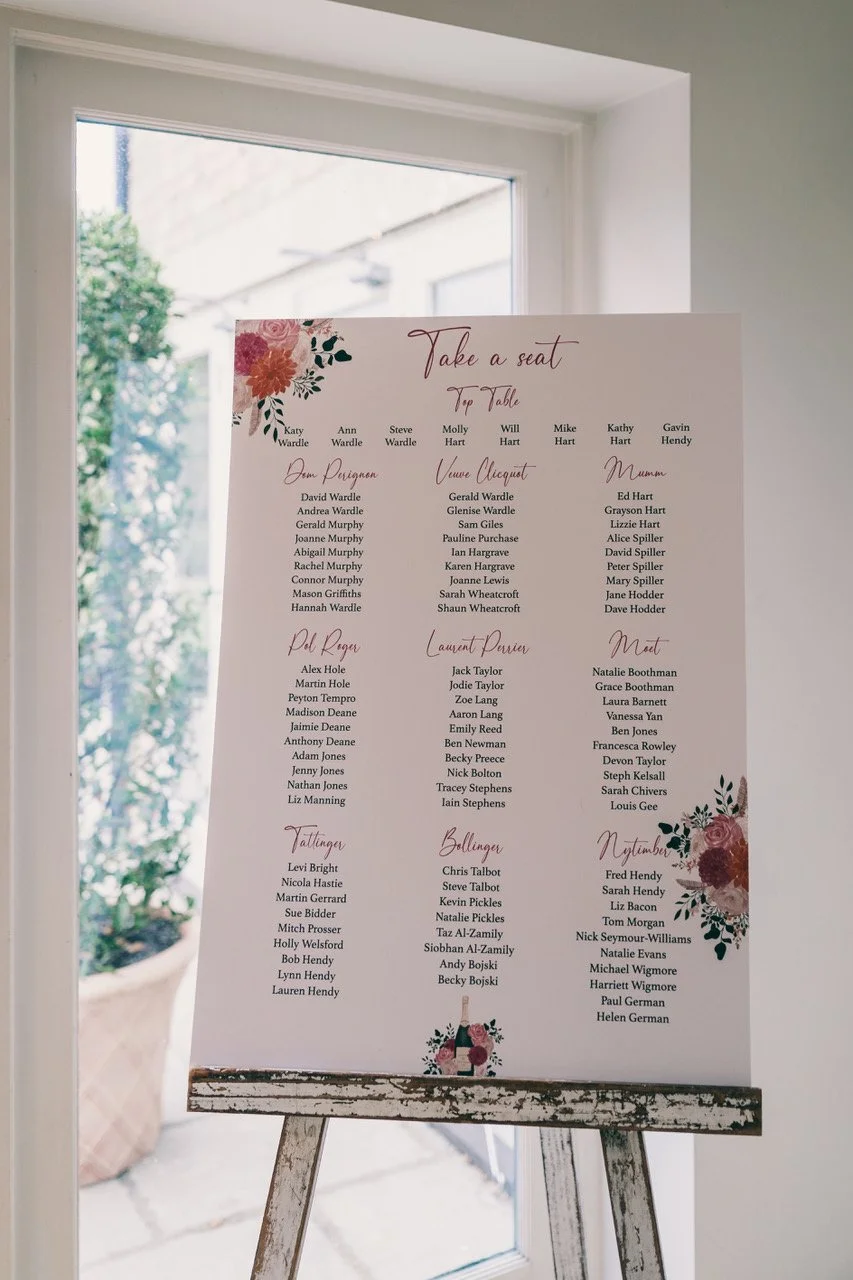
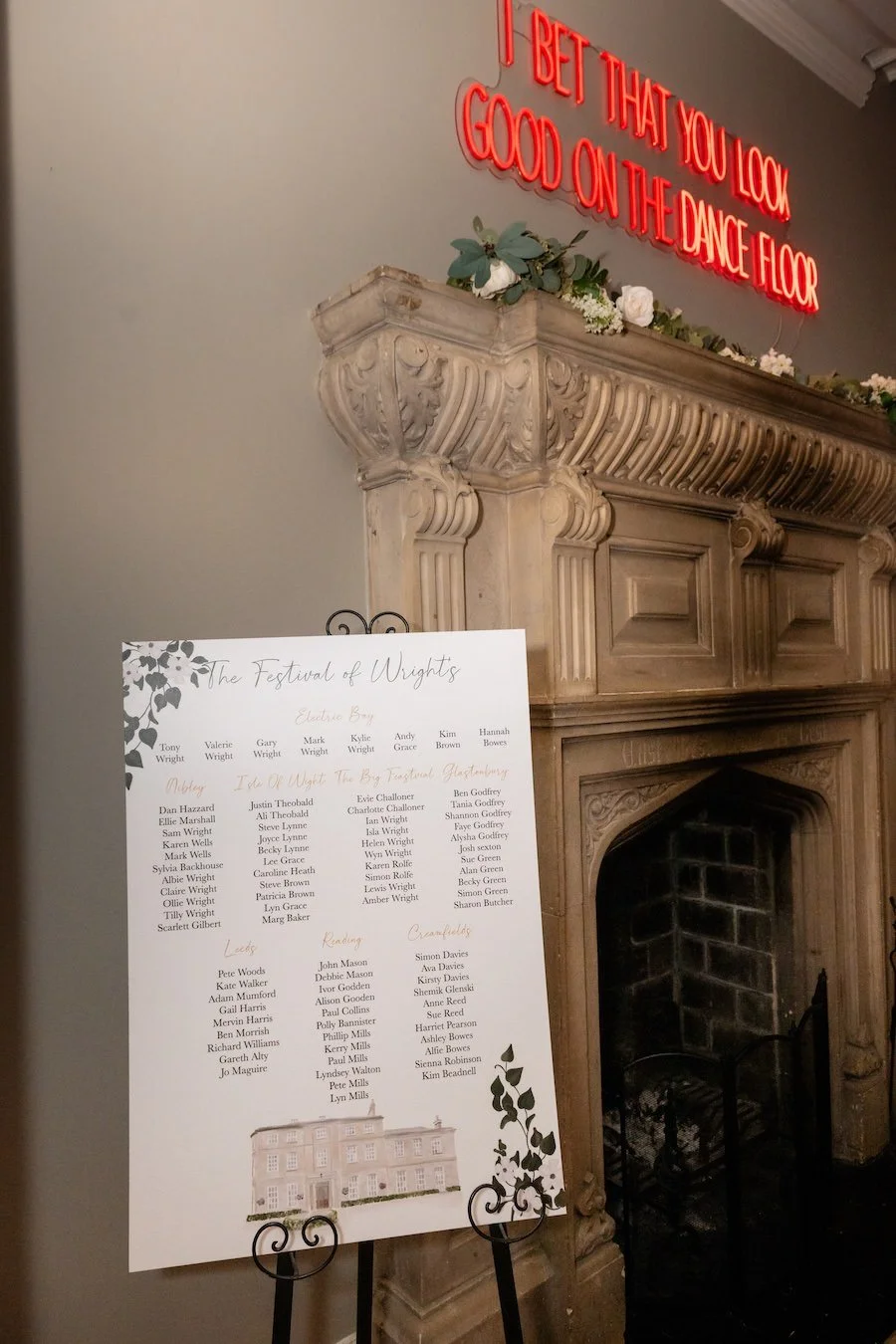
A seating plan is not just functional — it’s part of your wedding design. Many couples now treat it as a decorative feature, but clarity should always come first.
A widely recommended format is A1 size, particularly for larger weddings. This ensures:
Guests can read names quickly without crowding
Reduced congestion at the entrance
A more elegant visual presence as a focal point
Smaller formats can work for intimate weddings, but for medium to large guest lists, readability is essential.
Additional design tips:
Group tables clearly and consistently
Use a readable font size (avoid overly decorative scripts for names)
Ensure good lighting where the plan is displayed
Consider a mirror, frame, or signage stand to elevate presentation
Other Important Considerations
A few often-overlooked but valuable points when designing your table plan:
1. Accessibility
Make sure elderly guests, pregnant guests, or those with mobility needs are seated with easy access to exits, toilets, and buffet areas.
2. Dietary requirements
If meals are being served, ensure caterers can easily identify dietary needs per table or seat.
3. Guest relationships
Think beyond family labels — seat people with shared interests, not just shared obligation. Cousins who haven’t met before may not need to sit together, while friends from different life stages might get along brilliantly.
4. Flow of the room
Table Plan Avoid placing tables too close to speakers, doors, or service stations. Noise, traffic, and interruption can affect guest experience.
5. Flexibility buffer
Even the best plans change. Having a few “flex seats” or a contingency table can save stress on the day.
Final Thought
A wedding table plan sits at the intersection of etiquette, logistics, and personal storytelling. Yes, there are traditions — like the top table structure — but modern weddings increasingly prioritise comfort, personality, and experience over strict rules.
Whether you choose a classic layout or a relaxed sweetheart table, the goal is the same: create an environment where guests feel considered, conversations flow naturally, and the couple remains at the heart of the celebration.
Above all, it’s your day. The best table plan is the one that reflects your relationships, your style, and the atmosphere you want to create.
Want to chat more about your table plan then get in touch!
